First help is frequently a vital yet ignored part of area health and wellness. As emergencies can occur without caution, the capacity to respond efficiently can suggest the distinction between life and fatality. In this extensive post, we will discover the elaborate relationship between emergency treatment and neighborhood well-being, concentrating on numerous elements such as emergency readiness, training efforts, and the emotional advantages of being outfitted to aid others. We'll likewise explore functional tips, historic perspectives like the founding of St. John Ambulance, and much more.
The Important Role of Emergency Treatment in Community Health
First help plays a vital role in community health by equipping people with the expertise and abilities to react to clinical emergency situations. It promotes a sense of obligation amongst area members, urging them to look out for one another throughout crises.
Understanding First Aid: Greater Than Just a Skill
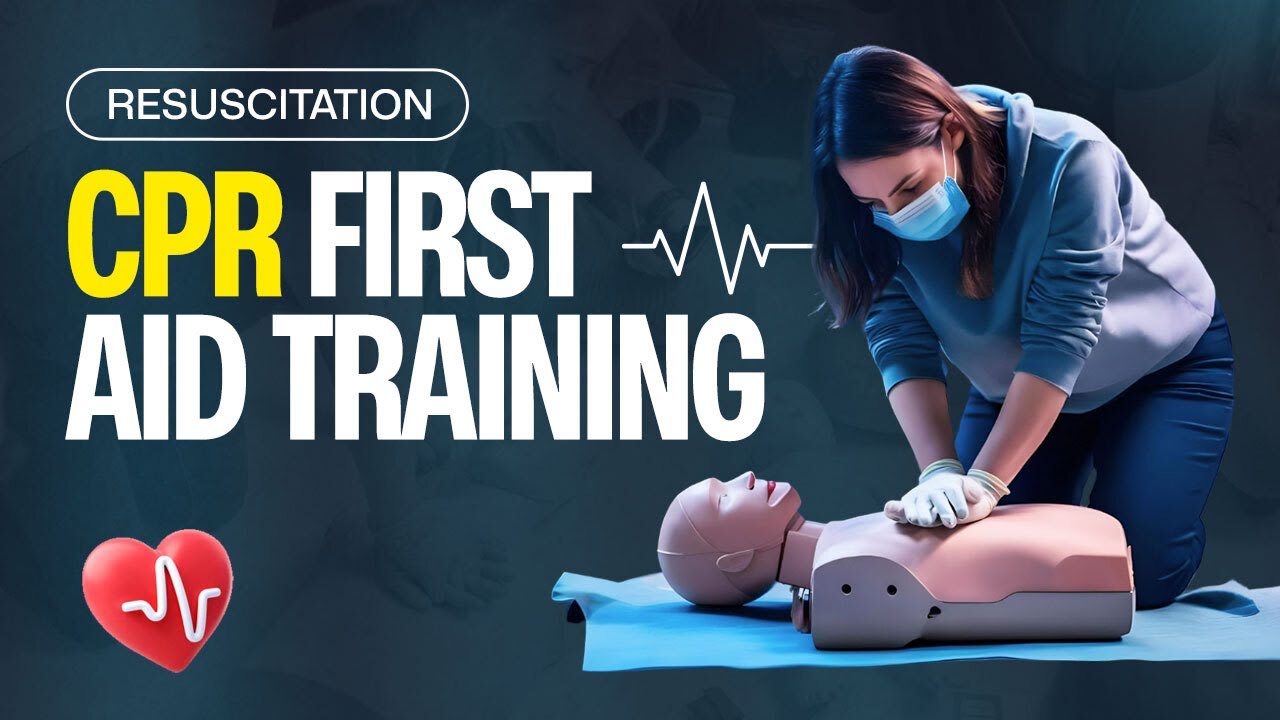
First help incorporates a series of strategies created to give instant care in emergencies. This consists of treating injuries, performing mouth-to-mouth resuscitation, and managing choking events. Yet why is it vital? Due to the fact that these skills can save lives before expert clinical assistance arrives.
Historical Context: The Establishing of St. John Ambulance
Established in 1885, St. John Rescue has actually played a critical function in advancing emergency treatment education worldwide. This organization began with an honorable objective: to offer care for sick and damaged people in combat zones and beyond.
Impact on Neighborhood Wellness Initiatives
Through its comprehensive training programs, St. John Rescue has dramatically added to increasing awareness regarding emergency treatment's value within areas. Their initiatives have actually led to increased engagement in first aid training courses across numerous demographics.
Community Readiness: Structure Resilience Via Training
Communities that focus on first aid training are inherently a lot more resistant when faced with emergencies.
The Importance of First Aid Recognition Campaigns
Awareness campaigns act as powerful tools for educating communities about the necessity of emergency treatment training. These campaigns can take different types, consisting of workshops, social media outreach, and public demonstrations.
Engaging Different Demographics
To ensure optimum engagement, projects need to address diverse neighborhood needs-- considering cultural histories and varying degrees of comprehending concerning clinical emergencies.
Gaining Permission in Various Communities
When providing first aid or carrying out training sessions, acquiring consent is paramount. Understanding social sensitivities can promote trust and cooperation amongst community members.
Essential Family Items for Basic First Aid Kits
Creating an efficient first First Aid Courses in Port Macquarie aid set in the house is essential for addressing small injuries promptly.
Adhesive bandages Sterile gauze pads Antiseptic wipes Medical tape ScissorsEach item serves a special function; having them readily available ensures quick reactions throughout emergencies.
Practical Emergency treatment Techniques Everyone Should Know
From treating minor injuries on yourself to identifying pet dog distress, knowing standard strategies assists empower people within their communities.
Treating Minor Injuries on Yourself: A Detailed Guide
Minor injuries may not appear serious however can cause problems if left untreated:
Clean the wound with soap and water. Apply antiseptic. Cover with a clean and sterile bandage. Monitor for indications of infection (inflammation, swelling).Tilting Head Back for Nosebleeds: An Efficient Method
One usual injury is nosebleeds-- a scenario that many individuals encounter at some point.
- To handle this properly: Sit upright. Tilt your head a little onward (not back). Pinch your nostrils with each other for around 5 minutes.
By adhering to these steps correctly, you can stop blood from flowing down your throat while ensuring sufficient pressure is applied.
Addressing Seasonal Emergency Situations: Bushfire Season Injuries
Bushfire season positions special obstacles that areas need to plan for adequately.
Understanding Common Injuries Throughout Bushfire Season
- Burns from flames or warmth exposure Smoke breathing issues Dehydration from too much heat
First Aid Responses Certain to Bushfire Situations
For burns:- Cool the burn under running water. Cover with a non-stick dressing.
- Move the individual to fresh air immediately. Seek specialist medical aid if signs and symptoms persist.
Kitchen Security: Taking care of Kitchen Area Knife Cuts Effectively
The cooking area is usually where mishaps occur because of sharp utensils like knives.
Basic Steps for Treating Cooking Area Knife Cuts
If you or someone else struggles with a kitchen knife cut:

Fire Extinguisher Procedure: A Trick Security Skill
Knowing how to run a fire extinguisher can significantly improve security during fires-- an important ability every home should master!
The PASS Technique
Remember this acronym when making use of an extinguisher:
- Pull the pin. Aim low at the base of the fire. Squeeze the deal with slowly. Sweep from side-to-side up until extinguished.
When Not to Make use of a Fire Extinguisher
Understand situations where utilizing an extinguisher may not be risk-free-- like very large fires or if smoke makes it hard to breathe! In those cases, evacuate immediately!
Recognizing Animal Distress: An One-of-a-kind Facet of Community Health
Pets are indispensable components of our households; thus acknowledging their distress is essential too!
Signs Your Pet Needs Immediate Care
Look out for:
- Excessive panting or drooling Lethargy Vomiting or diarrhea
Basic Emergency treatment Tips for Pets
Keeping basic supplies helpful ensures you're prepared:
Muzzle (for safety) Gauze (for blood loss) Thermometer (for temperature level readings)
FAQs Regarding First Aid in Area Health
Q1: Why is initial help crucial in area settings?
A1: First aid outfits individuals with skills required during emergency situations which can conserve lives prior to professional aid arrives.
Q2: What ought to I consist of in my mobile kit?
A2: Crucial things include adhesive tapes, bactericides, gauze pads, scissors, handwear covers, and any individual drugs required for relative or pets.
Q3: How do I get authorization when giving very first aid?
A3: Engage pleasantly by introducing yourself and describing your objective clearly-- this assists build trust fund within varied communities where cultural standards vary widely.
Q4: What are some fall avoidance tips?
A4: Make certain excellent illumination indoors/outdoors; usage non-slip floor coverings; maintain sidewalks clear; use ideal shoes-- all these variables contribute substantially towards reducing loss risks!
Q5: When should I seek specialist medical assistance after offering very first aid?
A5: If there are signs of infection post-treatment (like redness/swelling), difficulty taking a breath lingers regardless of first treatment initiatives-- or if somebody's problem gets worse unexpectedly!
Q6: How effective are first-aid awareness campaigns?
A6: Such projects raise awareness considerably leading even more people towards participating in training programs ultimately promoting much healthier areas overall!
Conclusion
In conclusion, recognizing "The Vital Duty of First Aid in Area Wellness" can not be overemphasized-- it functions as both a prompt CPR course details Port Macquarie action mechanism during crises while additionally promoting long-term resilience amongst communities via education and learning efforts like those used by companies such as St John Ambulance! By taking on ideal techniques related particularly towards day-to-day situations (from cooking area cuts/bushfire injuries), combined with reliable communication strategies relating to permission-- you'll discover that not only does this understanding encourage people but reinforces whole areas too! So let's accept learning more about these life-saving skills with each other because who knows when we may require them most?